Dark Mode
Light Mode
Fashion has always been a reflection of culture, creativity, and technology. Today, as the boundaries between fashion and innovation continue to blur, smart fabrics are taking center stage. These advanced textiles integrate technology with functionality, transforming clothing from simple garments into sophisticated tools for convenience, performance, and personalization.

Smart fabrics, also known as e-textiles, are textiles embedded with technology that enables them to interact with the wearer or the environment. These fabrics can sense, react, and even adapt to stimuli such as temperature, light, pressure, or motion. Unlike traditional clothing, which is static, smart fabrics add a dynamic layer of utility to garments, making them more than just items of wear.
From monitoring your health to charging your devices, smart fabrics offer an array of possibilities. They can be engineered for specific applications, whether it's enhancing athletic performance, improving safety, or simply making daily life more convenient.

One of the most common uses of smart fabrics is in wearable technology. Fitness enthusiasts are already familiar with clothing that tracks heart rates, steps, and calorie burns. For instance, shirts with built-in sensors can provide real-time data on a runner's performance, eliminating the need for additional devices like watches or bands.
In the realm of casual wear, garments with heating or cooling elements offer comfort in extreme weather conditions. Imagine a jacket that warms you up on a chilly day with the press of a button or a shirt that regulates your body temperature during a hot summer. These innovations are transforming how we experience clothing, merging practicality with style.

The potential of smart fabrics extends far beyond fashion. In healthcare, these textiles are being used to monitor patients' vital signs, ensuring continuous care without intrusive devices. For instance, hospital gowns with integrated sensors can track heart rates, blood pressure, and oxygen levels, alerting medical staff to any abnormalities.
In the safety sector, smart fabrics are enhancing protective gear for workers and first responders. Firefighters, for example, can wear uniforms embedded with sensors that detect heat levels and signal danger before it becomes critical. These applications not only improve efficiency but also save lives, showcasing the transformative power of smart textiles.

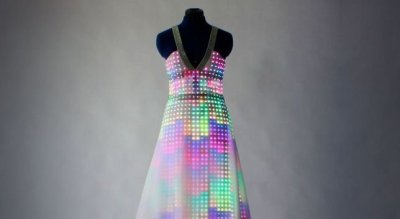
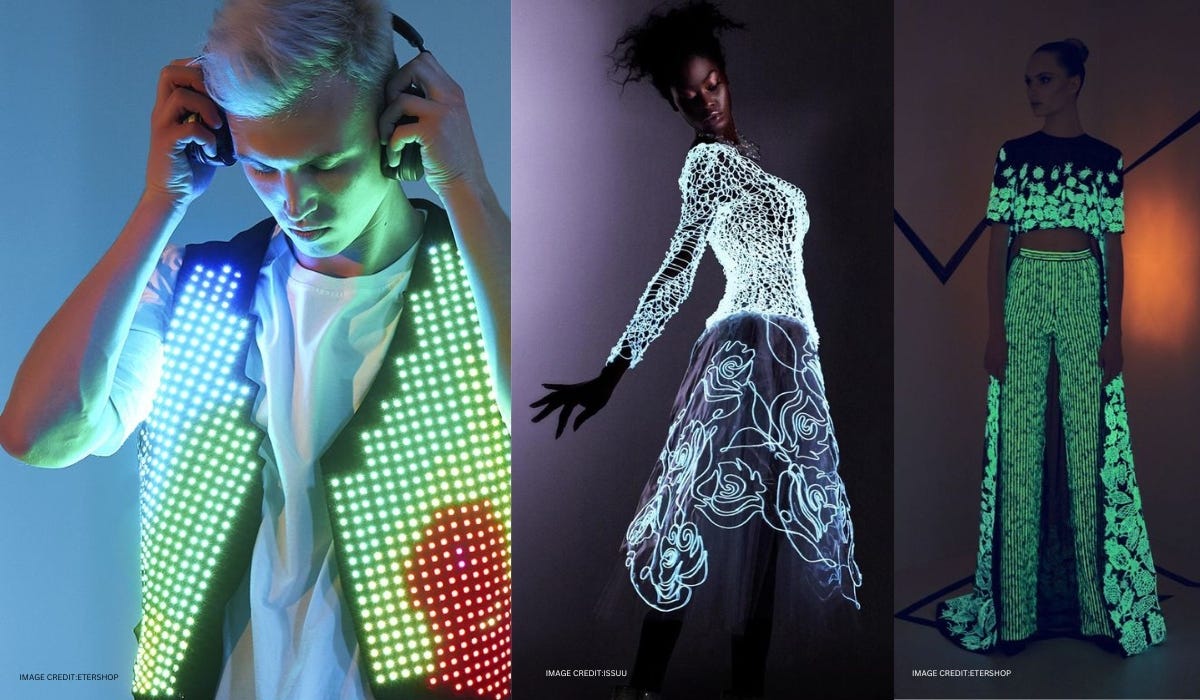
Smart fabrics are also pushing the boundaries of design. Designers now have the freedom to create garments that not only look good but also serve functional purposes. Interactive dresses that light up, suits that change color, or accessories that respond to touch are just a few examples of how technology is redefining aesthetics.
Additionally, smart fabrics contribute to sustainability efforts in fashion. By incorporating features like self-cleaning or long-lasting materials, these textiles reduce the frequency of washing and replacing garments, ultimately minimizing waste. Some fabrics are even being developed to biodegrade or recycle easily, aligning with the industry's push toward eco-friendly practices.
Smart fabrics represent the next frontier in fashion, merging style, function, and innovation like never before. Whether it's a shirt that tracks your health, a jacket that keeps you warm, or a dress that interacts with your surroundings, these textiles are reshaping the way we think about clothing.
The future of fashion isn't just about looking good—it's about integrating technology into our everyday lives in ways we never thought possible. Don't forget to follow updates on fashion only on Cloami's blog!