Dark Mode
Light Mode
In the ever-changing fashion world, building a lasting brand is no small feat. From haute couture to avant-garde streetwear, the fashion industry is a battleground where only the most resilient and innovative brands survive. Key to this resilience is mastering fashion supply chain management. Let’s delve into the essentials of building a successful fashion brand through the lens of effective supply chain strategies.
At the heart of every successful fashion brand lies a compelling vision and a distinct identity. A brand’s ethos—be it sustainability, cultural diversity, or societal rebellion—shapes its entire narrative. For instance, sustainable fashion pioneers like Stella McCartney embody ethical practices and cruelty-free designs. A clear and authentic vision attracts like-minded consumers and sets the brand apart, directly influencing supply chain decisions.

In the realm of fashion, creativity reigns supreme. From breathtaking runway shows to meticulously crafted collections, artistic ingenuity is the lifeblood of any brand. Designers like Chanel, Alexander McQueen, and Gucci built empires on their creativity, constantly pushing boundaries and redefining trends. Creative excellence requires an agile supply chain to swiftly and efficiently turn innovative designs into reality.
Beyond aesthetics, quality craftsmanship is essential for building a reputable fashion brand. Exceptional attention to detail, impeccable tailoring, and superior materials are hallmarks of luxury brands like Louis Vuitton and Hermès. In an age dominated by fast fashion, investing in high-quality craftsmanship ensures longevity and communicates a brand’s dedication to excellence. A well-managed supply chain is crucial here, ensuring the consistent availability of premium materials and skilled labor.
In the digital age, effective branding and marketing are indispensable tools for fashion brands looking to make a splash. Strategic branding builds brand awareness and fosters consumer engagement. Iconic logos and influencer partnerships drive sales and create buzz. However, these efforts are underpinned by a robust supply chain that can meet the demands generated by successful marketing campaigns, ensuring product availability and timely delivery.
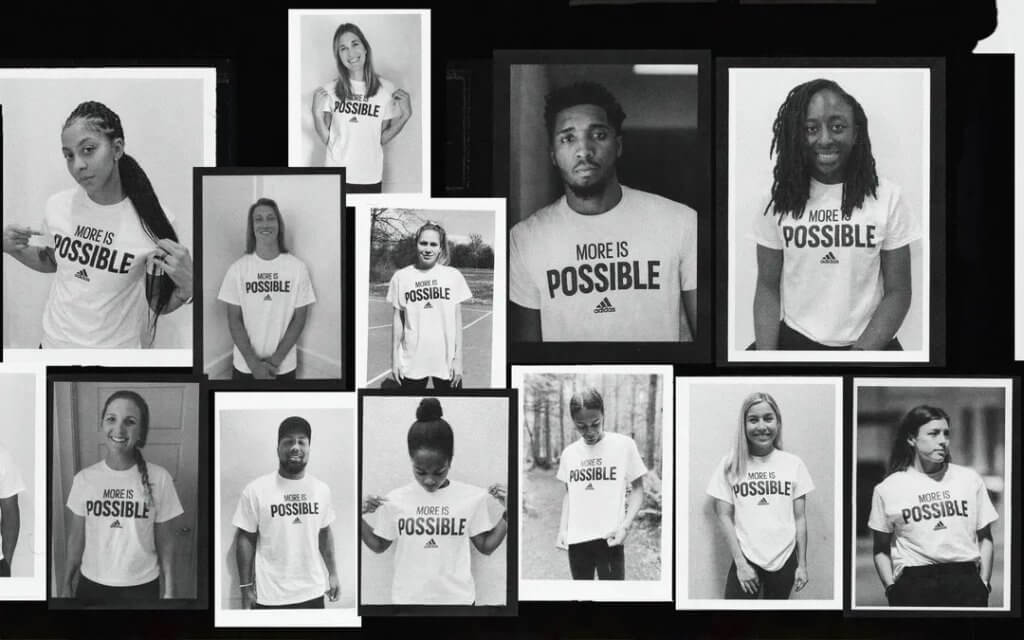
Fashion is a consumer-driven industry, and successful brands prioritize the needs and desires of their target audience. Brands like Adidas and Supreme foster a sense of inclusivity and belonging among their consumers by cultivating a strong brand community and soliciting feedback. Leveraging data analytics and market research helps brands anticipate trends and adapt to evolving consumer preferences. Effective fashion supply chain management ensures these insights are quickly translated into production, keeping the brand relevant and responsive.
Innovation is the lifeblood of progress, and fashion brands must constantly innovate to stay ahead. Embracing new technologies like 3D printing and virtual reality or experimenting with sustainable materials and production methods keeps brands at the forefront. Adaptability is essential in an industry where trends shift at lightning speed. A flexible and responsive supply chain allows brands to quickly pivot and embrace new opportunities, maintaining a competitive edge.
Building a successful fashion brand is a multifaceted endeavor that requires vision, creativity, and relentless dedication. Effective fashion supply chain management is a cornerstone of this success, ensuring that every aspect of the brand’s vision, from design to delivery, is executed seamlessly. By staying true to core values and connecting with consumers on a meaningful level, fashion brands can transcend fleeting trends and leave an indelible mark on the industry for generations to come. Use your unique perspective and master the supply chain to create a brand that stands out and thrives in the competitive world of fashion.
Stay in the know with the latest developments in textiles, apparel, and all things fashion-related by following us on Instagram, or using our resource here.