Dark Mode
Light Mode
When it comes to fashion marketing, photography is one of the most powerful tools to engage your audience. Stunning product photography not only highlights the details and quality of your pieces but also communicates your brand identity. Whether you’re working with a small boutique or a large fashion house, how you present your products through photos can make or break your business. Here are 10 photography styles that can elevate your fashion product showcase and captivate your audience.

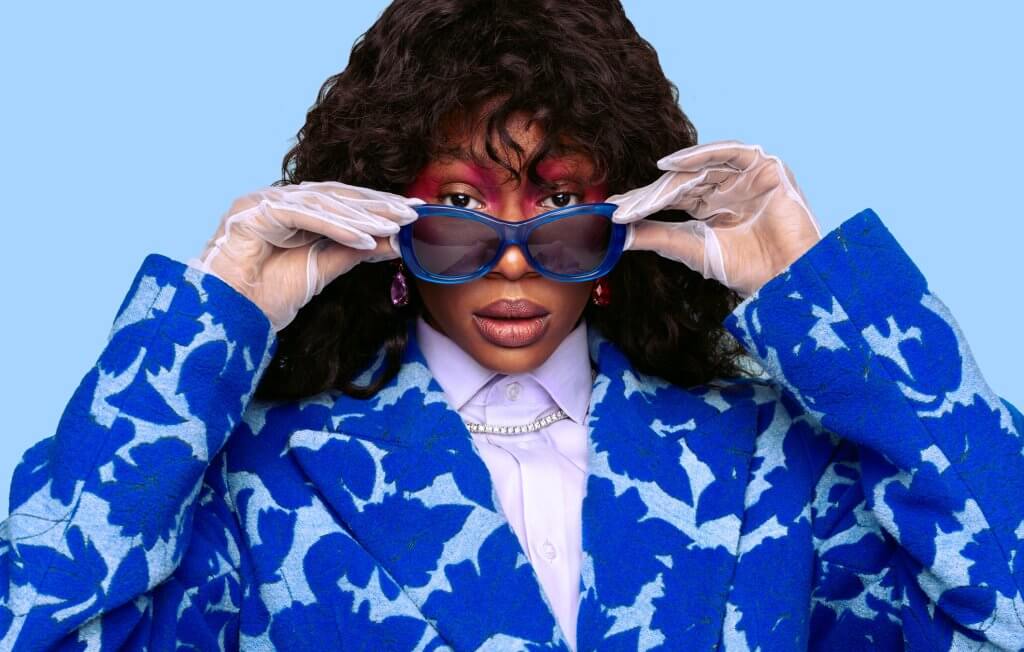
Editorial photography tells a story. It’s more than just showcasing a product; it’s about creating a mood and narrative that captures attention. This style often features models in dynamic, artistic, and high-fashion poses, paired with dramatic lighting and detailed sets. Editorial shoots are ideal for building a fashion brand’s identity and attracting an audience who appreciates style, artistry, and storytelling.
Editorial photos are highly engaging and shareable, often appearing in magazines, fashion blogs, and social media feeds. They let you play with composition, lighting, and styling to make your products stand out in a visually striking way. You can mix creative styling with powerful imagery to elevate your brand’s aesthetic.
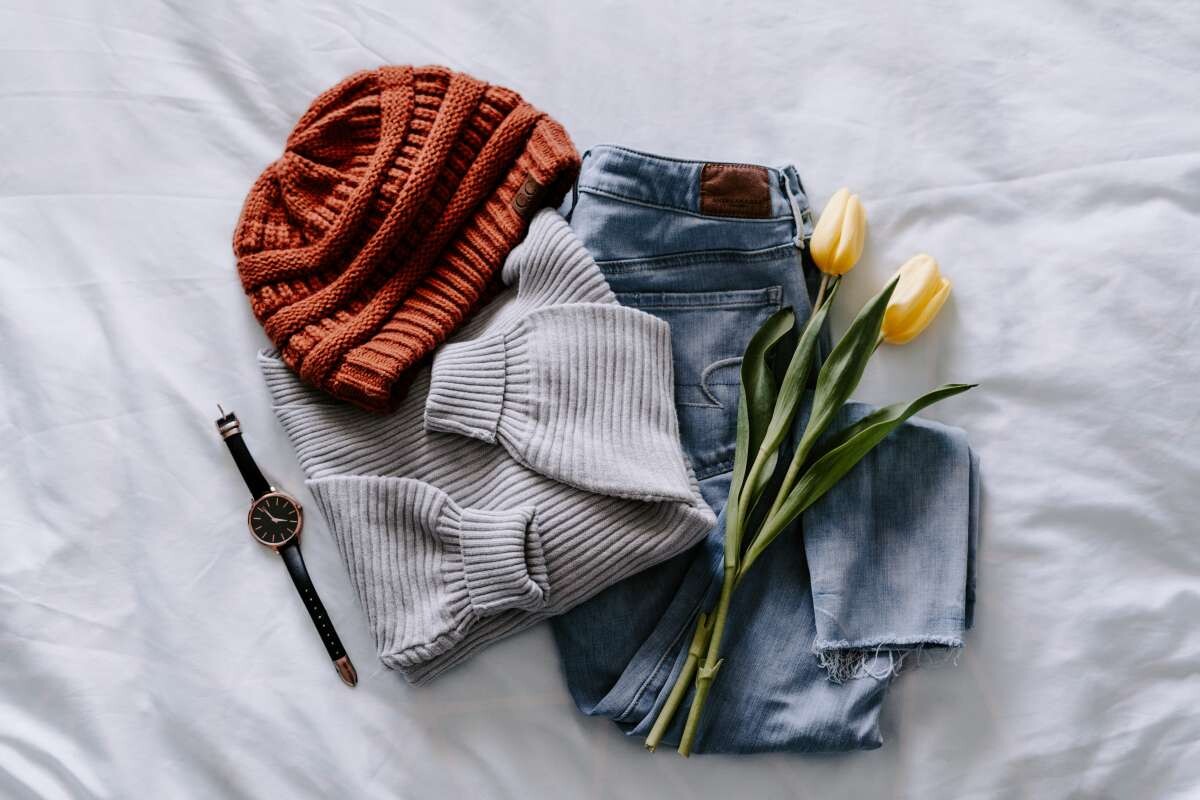
Flat lay photography is one of the simplest yet most effective ways to showcase fashion products, especially accessories, shoes, or outfits. This technique involves photographing items arranged neatly on a flat surface, often with a clean or textured background. It’s visually appealing and easy to execute while allowing you to tell a fashion story by arranging the items thoughtfully.
Flat lays are particularly engaging for social media, where people love to scroll through curated, organized images. You can add elements like props, colors, or textures to match the vibe of your collection and create a cohesive look. This style gives customers a clear and detailed view of your product, making it a favorite among fashion influencers and bloggers.

Lifestyle photography captures fashion products in real-life settings, allowing your customers to visualize how they could wear and style your items. Rather than just showing your clothes on a mannequin, lifestyle photos feature models wearing your pieces in everyday scenarios, such as walking in the city, having a coffee, or hanging out with friends.
This type of photography is highly relatable and engaging, especially on social media. It allows customers to imagine themselves in your clothes, making it an effective way to showcase versatility. Lifestyle photos help create an emotional connection between the brand and the consumer, highlighting how your products fit into real-life experiences.

Runway-style fashion photography focuses on showing your clothes in movement, capturing models walking or posing like they would on the runway. This approach brings energy and dynamism to your images. The use of sharp angles, dramatic lighting, and full-body shots makes it an exciting way to highlight fashion pieces, especially those meant to make a statement.
This style emphasizes the fluidity and fit of the garments, making it great for high-end fashion brands. The results are sleek, polished, and impactful, often conveying a sense of sophistication. If your brand is about pushing boundaries and creating bold statements, this style can be a powerful tool to engage fashion enthusiasts.
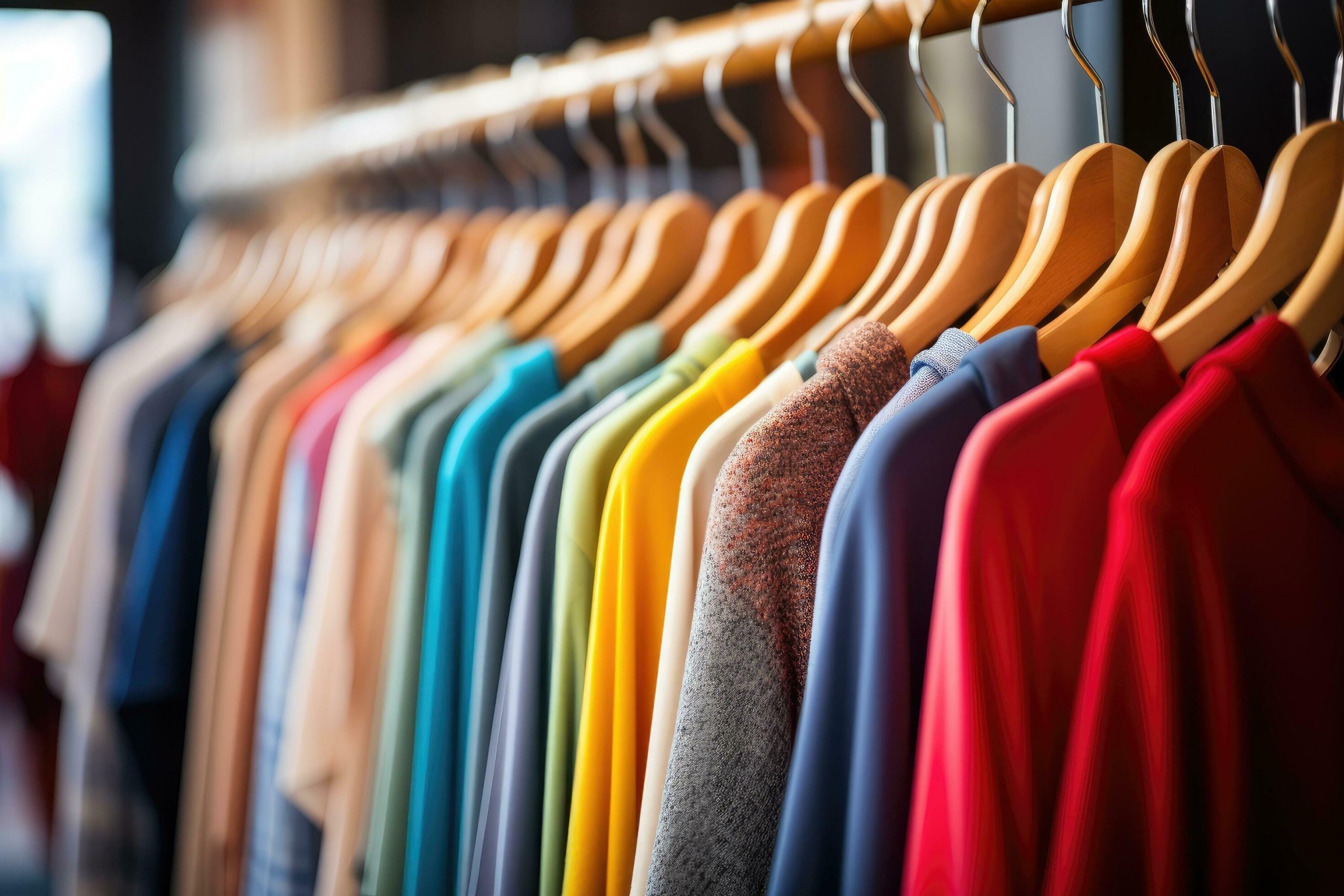
Sometimes, the details matter most. Close-up shots allow you to focus on the finer details of your products, such as fabric textures, stitching, patterns, or buttons. These intimate, up-close images highlight the quality and craftsmanship of your items, which is especially important for customers looking for premium products.
Close-up shots are particularly effective for showcasing accessories, shoes, jewelry, or fabrics that have unique textures or patterns. They give your customers a closer look at the product they are about to buy, helping them feel confident in the quality of their purchase.
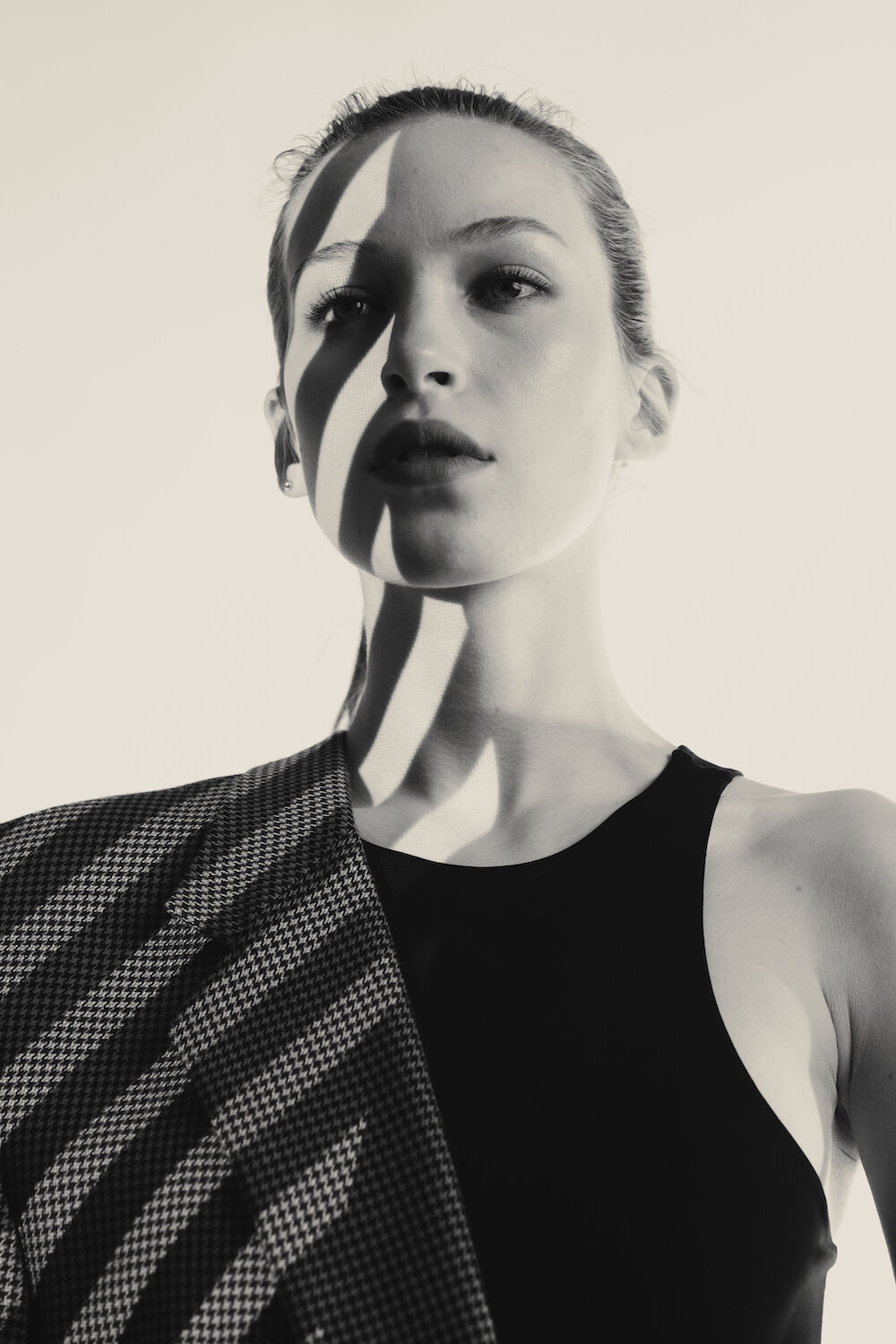
Monochrome photography, or black-and-white photography, is a timeless technique that can add sophistication and drama to your fashion images. By stripping away color, monochrome photography emphasizes shapes, shadows, and contrasts. This style is perfect for brands looking to convey elegance, minimalism, or a classic vibe.
Black-and-white photography can be particularly engaging when focusing on textures, patterns, and the intricate details of your fashion items. It draws the viewer's attention to the clothing itself, without distractions, while also providing a sense of artistic depth.

Environmental photography goes beyond simply showing the product—it places it within its environment. Think of shooting your clothes against urban backdrops, street art, or nature. This style uses the surrounding environment to complement and enhance the product, creating a sense of place that connects the fashion to a lifestyle or culture.
This photography style can make your products feel more grounded, offering customers a sense of connection to the world around them. It’s perfect for brands with strong ties to urban or natural elements, and it adds layers of meaning to your visuals.

Minimalist photography is all about simplicity and clean lines. The focus is entirely on the product, often with a neutral or simple background that allows the items to shine. This style works well for brands that favor subtlety and elegance, showcasing fashion pieces without unnecessary distractions.
Minimalist photos are visually appealing because they bring clarity and focus to the fashion product. The result is a timeless, sophisticated image that allows the design of the product to speak for itself. This approach is great for high-end or contemporary fashion lines looking to convey simplicity and elegance.

Motion photography captures the movement of the product in real time. Whether it’s a model twirling in a dress or someone dancing in a pair of sneakers, motion photos highlight how clothing and accessories move and flow. This style is perfect for products meant to be active or dynamic, such as sportswear or streetwear.
In motion photography, the clothing and accessories come to life, showing customers how they look in action. This approach is engaging because it captures the energy and flow of fashion, which static images can’t always convey. Motion photography adds excitement and vitality to your product displays, making them stand out from the crowd.
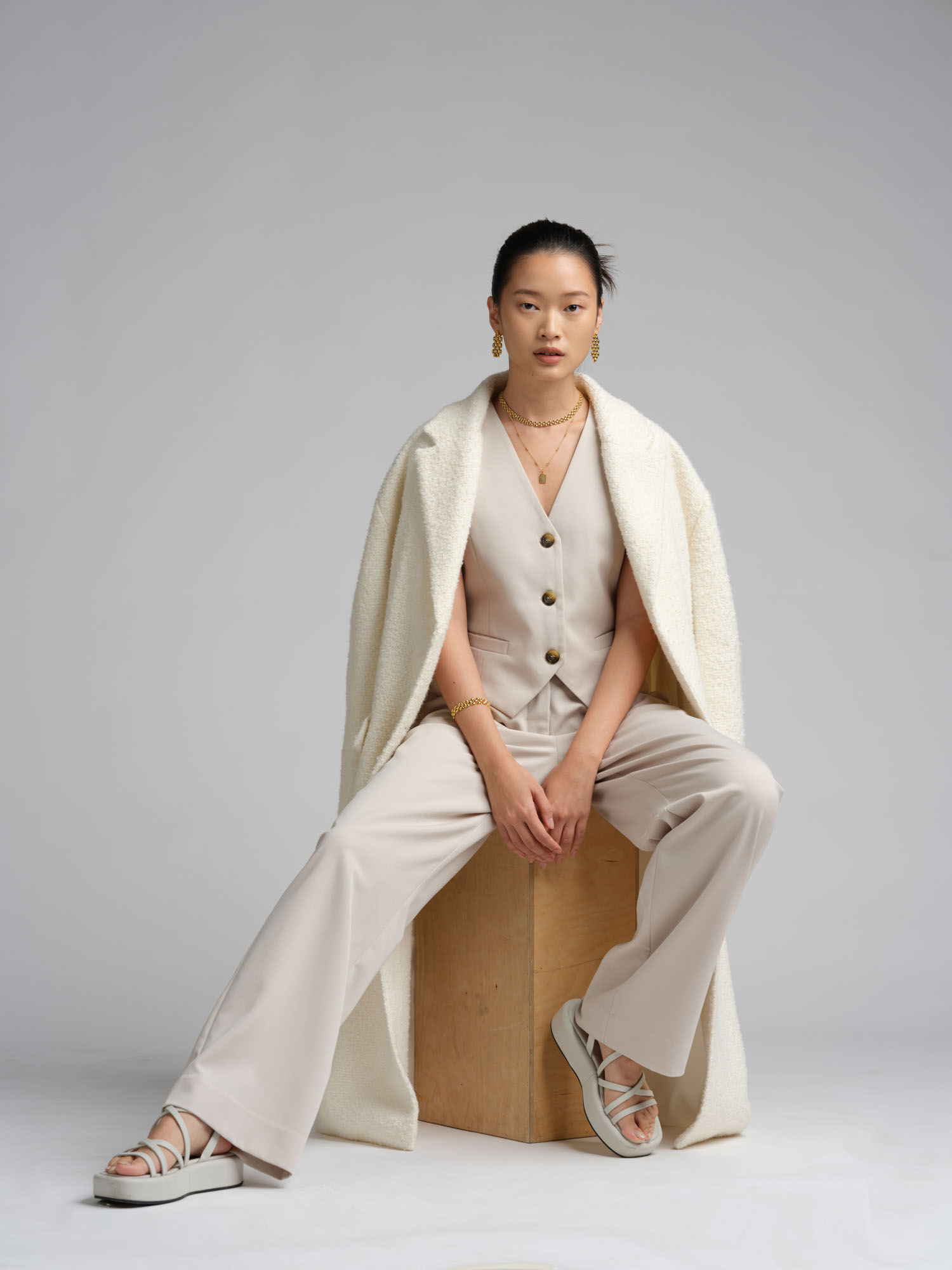
Studio fashion photography is a controlled and classic approach that typically uses clean backgrounds, soft lighting, and a model in a neutral or posed position. This style allows the product to be the main focal point, with the lighting and composition designed to highlight its features.
Studio shots are ideal for displaying a clear, crisp look at your fashion items, making it the go-to choice for catalog photography or when you want to show off the details of your clothing. It gives your brand a polished and professional appearance, and it’s easy to manage, ensuring consistent quality across your product images.
The way you photograph your fashion products is integral to creating a lasting impression. From editorial-style shoots to minimalist photography, the key is to align the style with your brand’s identity. Engaging photography helps convey the personality of your products, enhances the shopping experience, and ultimately helps you sell more. By experimenting with different styles and techniques, you can find the perfect approach to showcase your fashion line and connect with your customers on a deeper level.
Do you think article about showcasing your fashion products is insightful? Then, always follow up to Cloami's blog for more insights on business in fashion industry!