Dark Mode
Light Mode
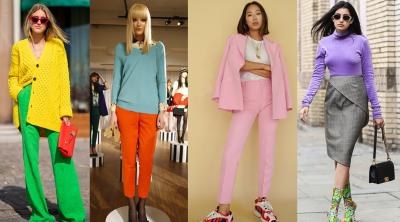
Color is one of the most powerful elements in fashion, and mastering how to use color mix and match hues can completely elevate your style. Whether you prefer a more classic, neutral palette or you're a fan of bold and vibrant colors, knowing how to pair them correctly can create a polished, stylish, and cohesive look. Here are some practical tips to help you master color mixing and make your outfits pop with style!
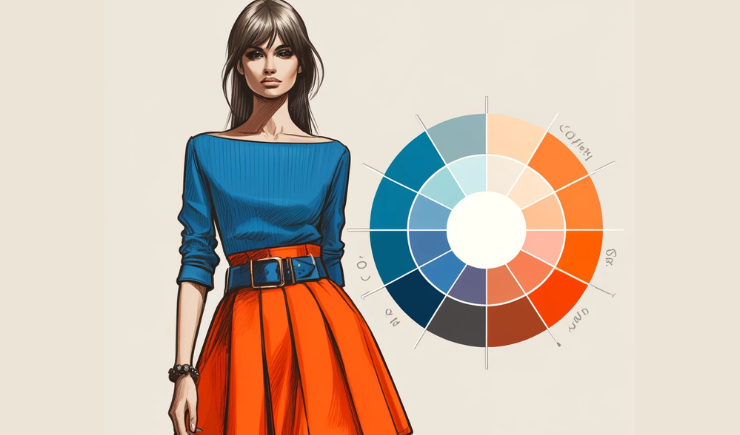
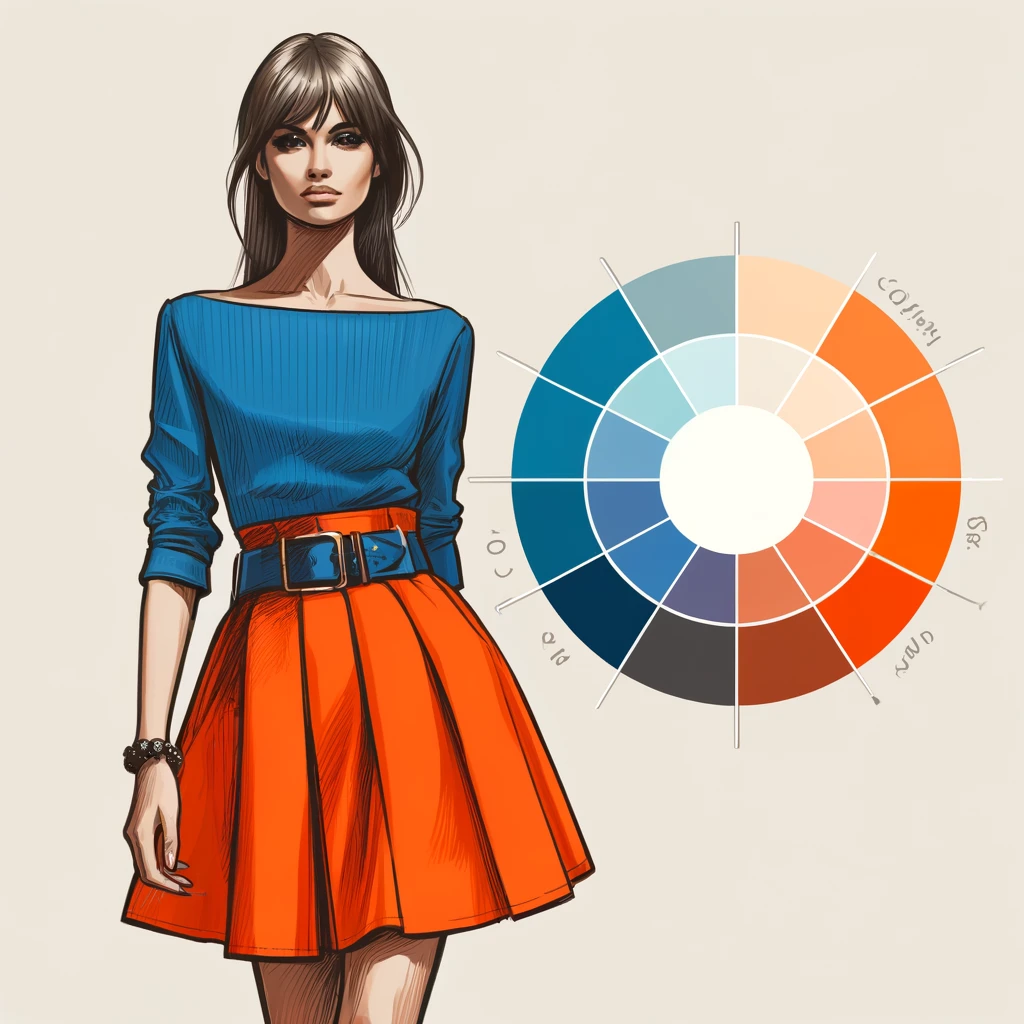
The first step in mastering color mixing is understanding the color wheel. The wheel is divided into primary, secondary, and tertiary colors, and the relationships between these colors are key to creating balanced outfits.
Tip: To start experimenting, pick one dominant color and complement it with accents from the opposite side of the wheel or colors that sit next to it for a balanced look.

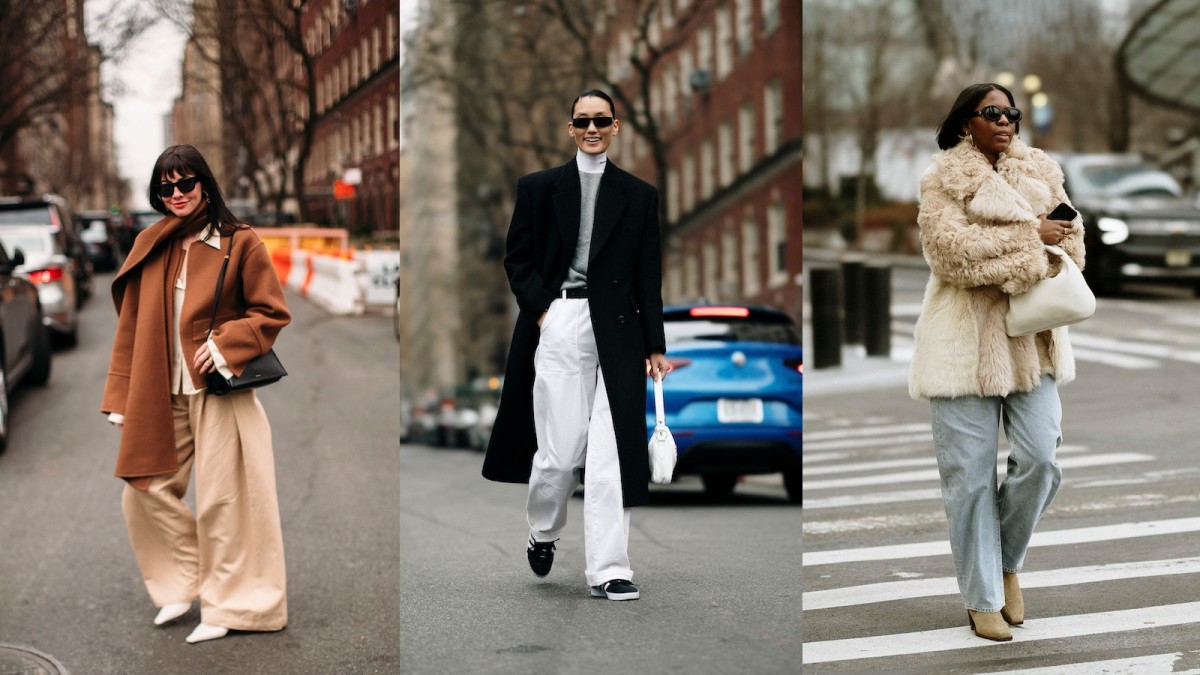
Neutrals are your best friend when trying to add color to your outfits without overwhelming your look. Colors like black, white, beige, gray, and navy act as a canvas for more vibrant shades. If you’re just starting with color mixing, try pairing neutral pieces with bold pops of color.
For example, a black blazer and white t-shirt combo becomes much more interesting when you add bright accessories like a red handbag or neon shoes. This simple approach allows you to inject color into your outfit while keeping it grounded and chic.
Another tip is to use neutral colors as a base and build your look with a bold color on top. A beige or gray outfit becomes more playful and fresh with a bright scarf or colorful shoes. It’s an easy way to bring life to your outfit without going overboard.
Tip: If you’re unsure about bold colors, start by introducing them through accessories like bags, shoes, jewelry, or scarves.

Monochromatic outfits involve wearing different shades and tones of one color. This doesn’t mean you have to wear the same exact shade from head to toe; playing with different tints, tones, and shades of one color can add depth and texture to your look.
For example, wearing a navy blue blouse with denim jeans and a cobalt blue jacket creates a cool, sophisticated monochrome look. Similarly, you can pair lighter shades of pink with darker hues, such as blush with fuchsia or rose. This look is sleek, elegant, and always on point, making it easy to mix and match without worrying too much about clashing colors.
Tip: When building a monochromatic look, try to incorporate different textures, fabrics, or accessories in the same color family to avoid looking flat or too one-dimensional.
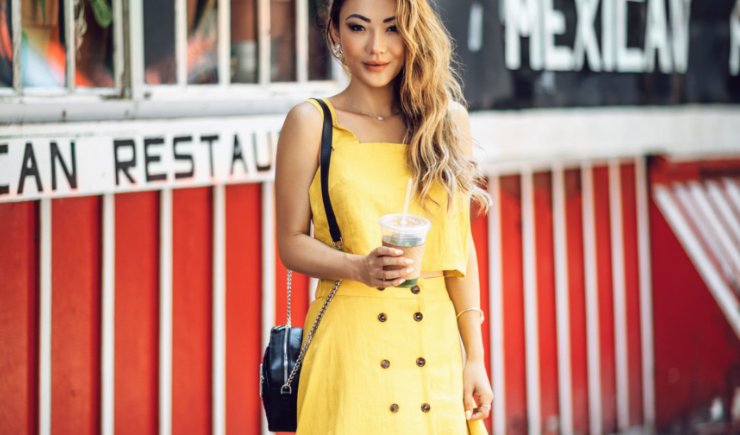
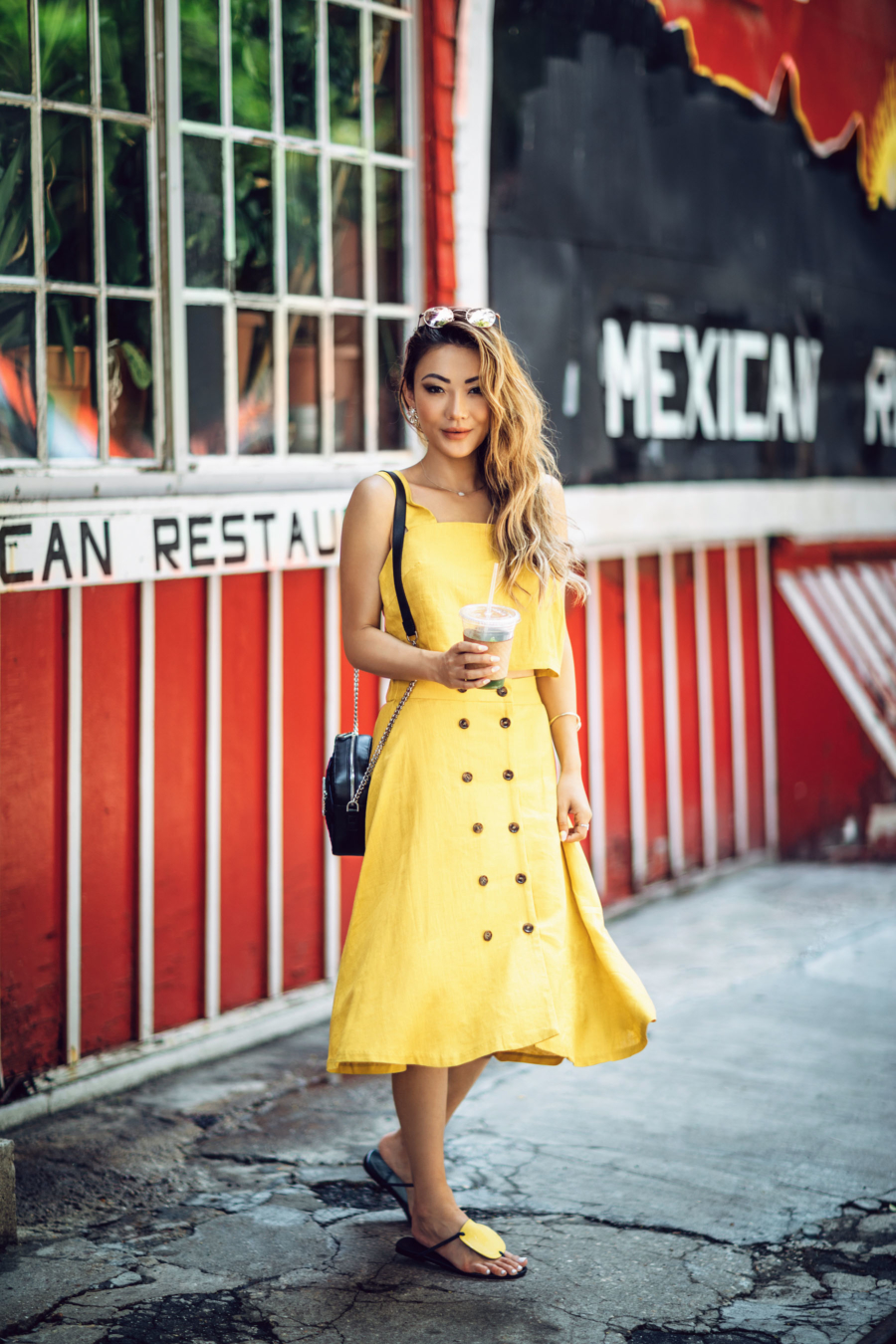
The colors you choose for your outfits can also be influenced by the season and your mood. Typically, brighter, bolder colors are associated with warmer months, while darker and earthier tones work well in cooler months. However, this isn’t a strict rule – fashion allows for experimentation!
In the spring and summer, experiment with pastel shades, tropical colors, or vibrant tones like coral, turquoise, and mustard. In fall and winter, rich colors like burgundy, deep green, rust, and navy can bring a sense of warmth to your outfits. You can also match the colors to your mood – if you're feeling energetic, try adding a pop of red or yellow, while blues and greens can have a calming effect.
Tip: Stay mindful of the season, but don’t be afraid to break the rules and wear colors that make you feel confident, no matter the time of year.
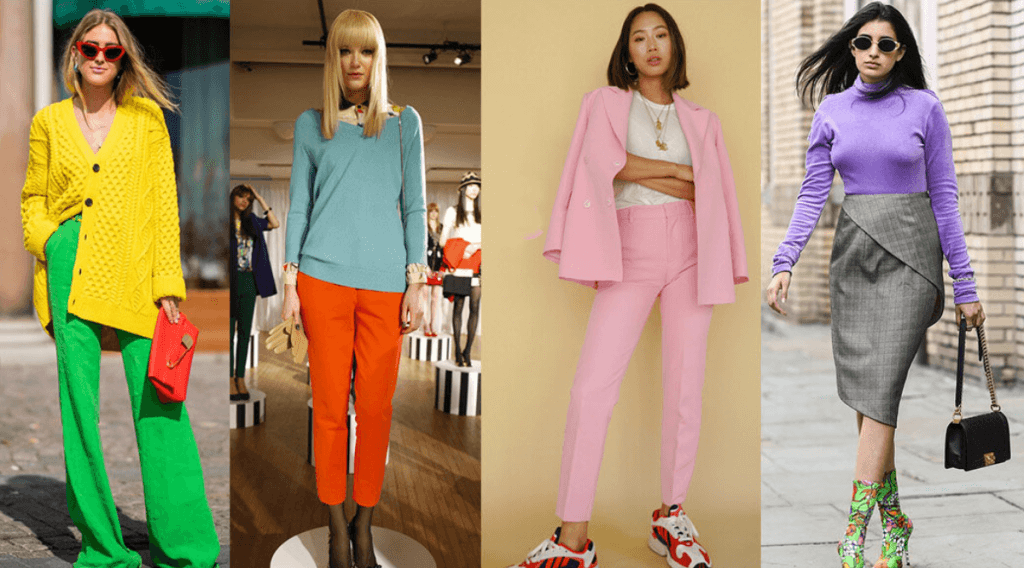
Mastering the art of color mix is all about experimenting, being creative, and finding what works for you. Whether you’re sticking to complementary colors, experimenting with monochromatic looks, or adding pops of color to a neutral outfit, there’s no wrong way to approach it. The key is to balance, mix, and have fun with the colors that resonate with your style.
So next time you get dressed, take a moment to think about your color choices. It could make all the difference in transforming your outfit from basic to stylish!
\Want to get ahead in fashion and discover more tips? Don't forget to keep following new writings on Cloami!


:max_bytes(150000):strip_icc()/GettyImages-1367292529-1140a822852a46e68716757245c6d4a0.jpg)